
5 Qualities of Well-made Sidewalks Done by Local Concrete Contractors
Maintaining an inviting, safe, and structurally sound pedestrian pathway is a core prerequisite for maximizing the curb appeal and long-term valuation of any residential or commercial property. Sidewalks serve as essential architectural frameworks, directing foot traffic safely across your grounds while shielding your landscapes from erosion and foot compaction. When a walkway begins to show signs of early deterioration, relying on uncertified handymen or ignoring minor surface fissures can introduce severe physical liabilities to your estate. Partnering with established local concrete contractors represents a vital strategic decision that transforms raw infrastructure maintenance from an unpredictable expense into a well-managed preservation routine. Establishing a consistent quality protocol for your flatwork ensures your pathways function perfectly and remain durable for decades.
Changing municipal building standards and shifting regional climate trends continue to raise the bar for professional concrete execution across the country. Investing in high-grade, engineered pedestrian corridors reflects a property owner's deep commitment to architectural excellence, directly protecting visitors from trip hazards and preserving your primary real estate capital. According to Today's Homeowner, sidewalks should be wide enough for two people - about four feet. Meeting this structural standard requires an advanced understanding of layout physics and spatial balance that generic DIY projects simply cannot replicate. Understanding the physical benchmarks that define elite concrete work allows property owners to shield their exterior investments from premature cracking and secure a clear path toward enduring neighborhood beauty.
A professional coordinator of exterior hardscaping never initiates a pour based on casual guesswork or unverified ground preparation. A dedicated technical crew begins every walkway project with a comprehensive, multi-point survey of native soil density, local elevation shifts, and nearby tree root pathways. Excavation teams utilize advanced laser levels to establish a precise slope gradient well before any wet material is mixed on-site. This detailed planning phase establishes a clear blueprint for formwork deployment, uncovering potential water pooling zones and grade errors well before the transit mixers arrive at the property.
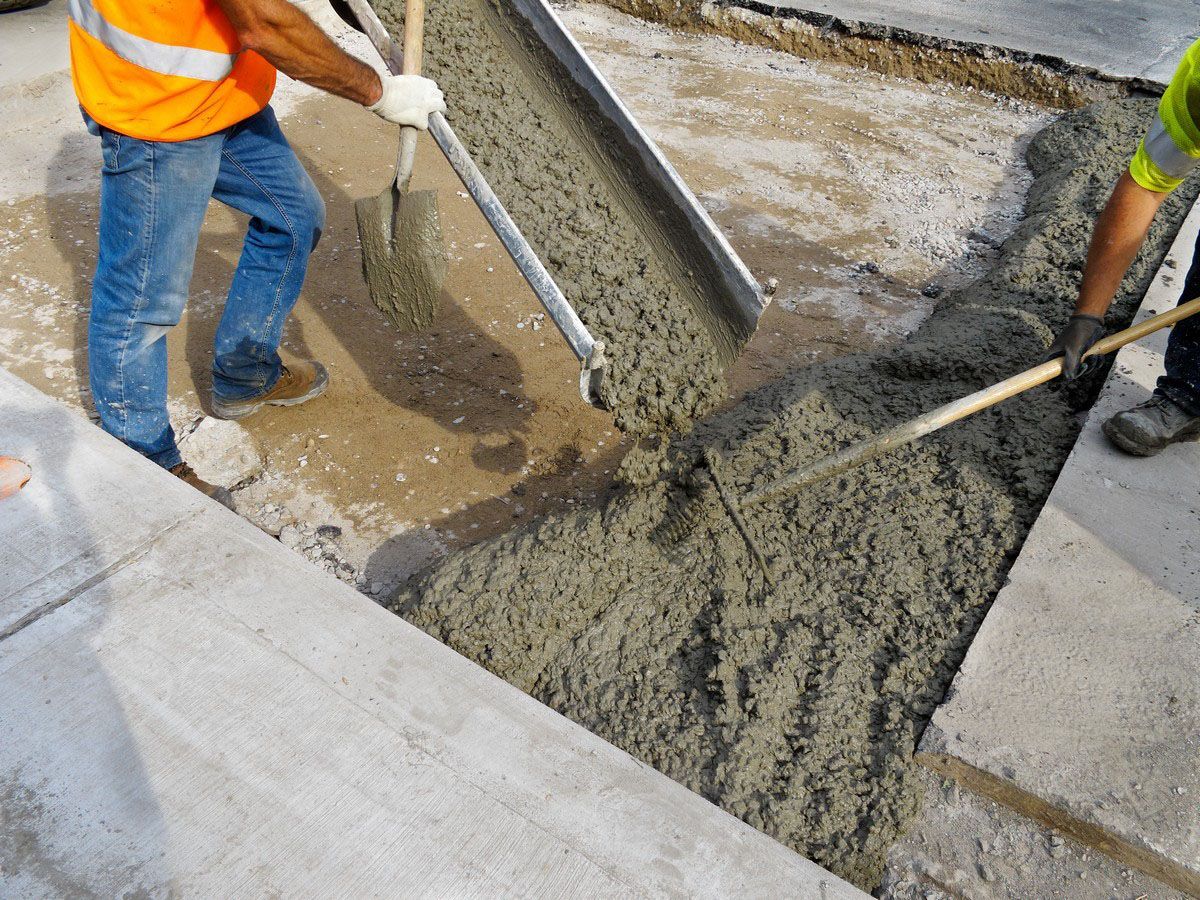
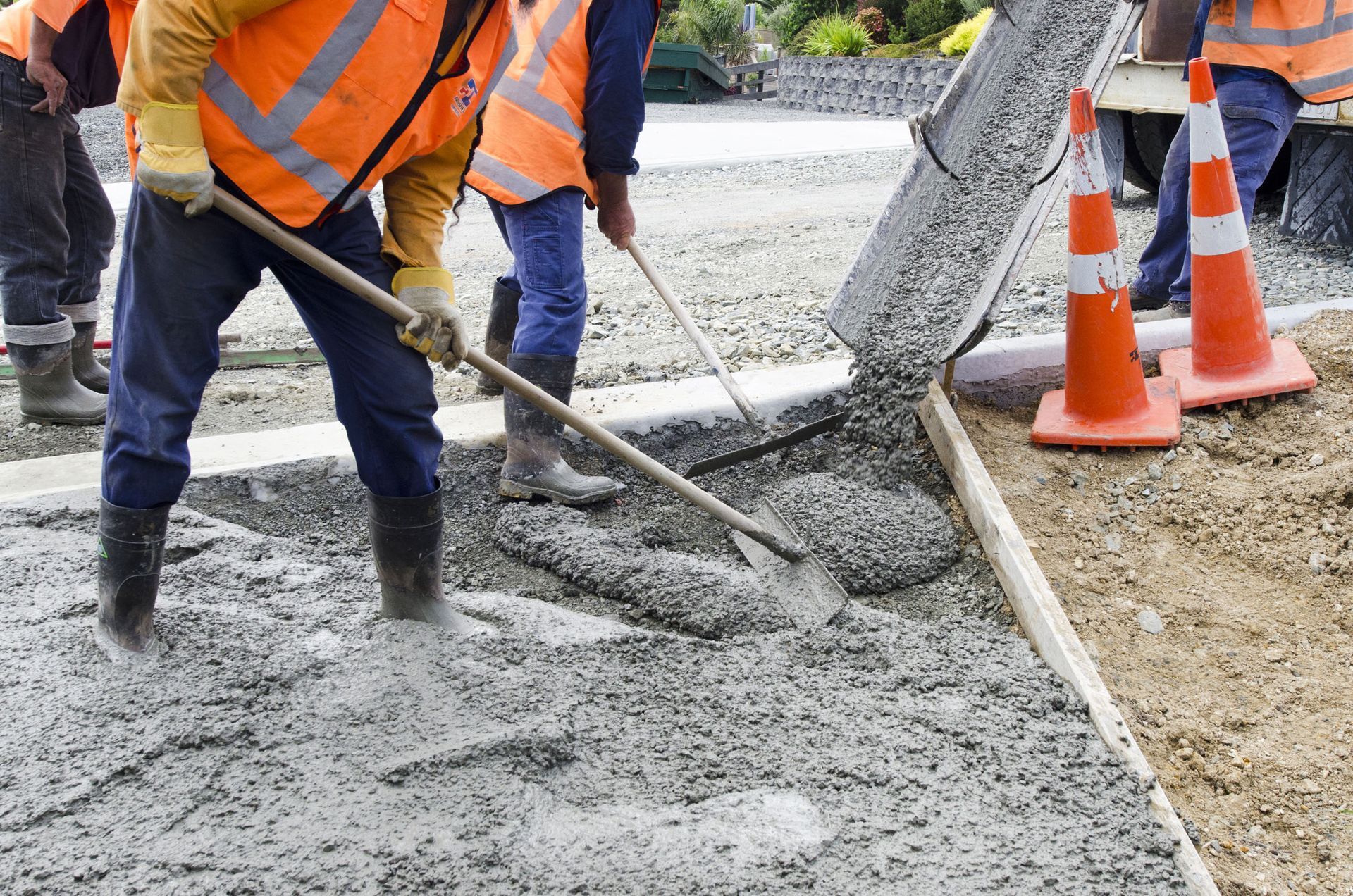
The structural placement of liquid concrete across a property requires an intimate knowledge of regional aggregate mixes and localized weather patterns. When a property owner establishes a formal arrangement with local concrete contractors, the project is executed by field crews who understand nearby freeze-thaw cycles, regional soil expansion rates, and local drainage codes. Eliminating the risk of weak subgrade prep protects your active investment, prevents premature slab shifting, and keeps your exterior pathways flowing beautifully. Maintaining a highly disciplined, professionally managed staging area ensures rapid material placement and preserves a safe, flawless exterior environment.
1. Meticulous Subgrade Preparation and Uniform Thickness
The ultimate strength and structural longevity of a pedestrian walkway depend entirely on the hidden foundation prepared beneath the poured stone. Well-made walkways require a completely level, heavily compacted gravel or crushed stone base to support the immense weight of the concrete slab and prevent the underlying soil from washing away during heavy rainstorms. If a crew skips this vital preparation step and pours liquid concrete straight over loose dirt or unmanaged organic matter, the shifting earth will rapidly cause the finished pathway to sag, tilt, and break apart.
Professional local concrete contractors eliminate these foundational risks by excavating to a uniform depth, cutting away disruptive tree roots, and mechanically packing the subgrade to a high density. Maintaining this uniform thickness prevents localized weak points that quickly buckle under heavy rolling loads, ensuring the structural integrity of your pathway remains completely unbroken over decades of continuous use.
2. Strategic Control Joint Placement and Stress Management
Liquid concrete naturally shrinks and undergoes internal stress as it cures from a wet mixture into a dense, rock-hard mineral matrix. To prevent this natural contraction from creating erratic, unsightly spiderweb fractures across the surface, expert finishers install a highly calculated network of control joints throughout the layout. These joints act as intentional, pre-engineered weak lines that safely guide internal tension downward, ensuring that any microscopic relief cracks happen cleanly at the bottom of the groove rather than across the visible face of the stone.
The physical spacing and depth of these control joints require precise geometric calculations based on the total width and thickness of the poured slab. Top-tier crews cut these grooves while the material is still green or use specialized diamond-tipped saws shortly after hardening, spacing them at uniform intervals that match the width of the walkway to create a clean, rhythmic aesthetic. Properly engineered joints isolate seasonal thermal expansion and contraction, preventing adjacent panels from heaving against each other during extreme winter freezes.
3. Specialized Non-Slip Surface Finishes and Texture Curation
A beautifully poured sidewalk can rapidly transform into a severe safety hazard if the surface layer is finished with a slick, glass-like texture that becomes incredibly slippery when exposed to rain, dew, or winter ice. Well-made walkways balance aesthetic neatness with practical pedestrian traction by utilizing specialized, high-grip texturing techniques during the final troweling stage. The most reliable method involves executing a precise broom finish, where technicians draw a specialized, stiff-bristled broom lightly across the damp concrete to create uniform micro-ridges.
This fine, custom-textured surface increases friction for footwear, providing exceptional non-slip security without creating rough, jagged edges that could scrape bare skin or make wheeled traffic bumpy. Experienced local concrete contractors carefully curate the direction and depth of these brush strokes to align perfectly with your property's overall architectural style and local drainage patterns.
4. Flawless Drainage Calibration and Elevation Grading
Water is one of the most destructive natural forces an exterior concrete slab can face, and unmanaged pooling along a sidewalk will rapidly destroy the installation from the inside out. When standing water sits on top of a walkway, it slowly seeps into the microscopic pores of the stone; during freezing weather, this trapped moisture expands violently, causing the surface layer to spall, pit, and scale away. To avoid this rapid water damage, an elite walkway must feature a built-in, continuous slope that effortlessly sheds water away from your home's foundation and into nearby lawns.
5. Proactive Chemical Curing and Edge Burnishing
The final chemical hardening phase dictates whether a finished sidewalk will achieve its full engineered strength or suffer from weak, crumbly surface scaling early in its life. Concrete does not dry out; rather, it undergoes a complex, multi-day chemical hydration process that requires moisture to remain trapped inside the mineral matrix for an extended period. Well-made walkways are treated immediately after finishing with advanced, high-solid liquid curing compounds or covered with wet curing blankets to slow down water evaporation.
Every modern property requires a foundation built on absolute structural precision and preventive care to truly thrive in changing outdoor environments. Securing local concrete contractors removes the administrative and physical burdens of site prep from your personal schedule, allowing you to upgrade your grounds with complete peace of mind. By aligning your property layout goals with customized, professionally installed hardscaping, you safeguard both your short-term home maintenance budget and your long-term real estate equity.
When you commit to an intentional program of property asset care, you unlock higher output from your space and establish an undeniable reputation for elite personal excellence. To discover how tailored concrete solutions done by
local concrete contractors can transform your landscape and support your property value goals, visit McPherson Concrete Construction, Inc online today to view your design and installation options.
Share On: